
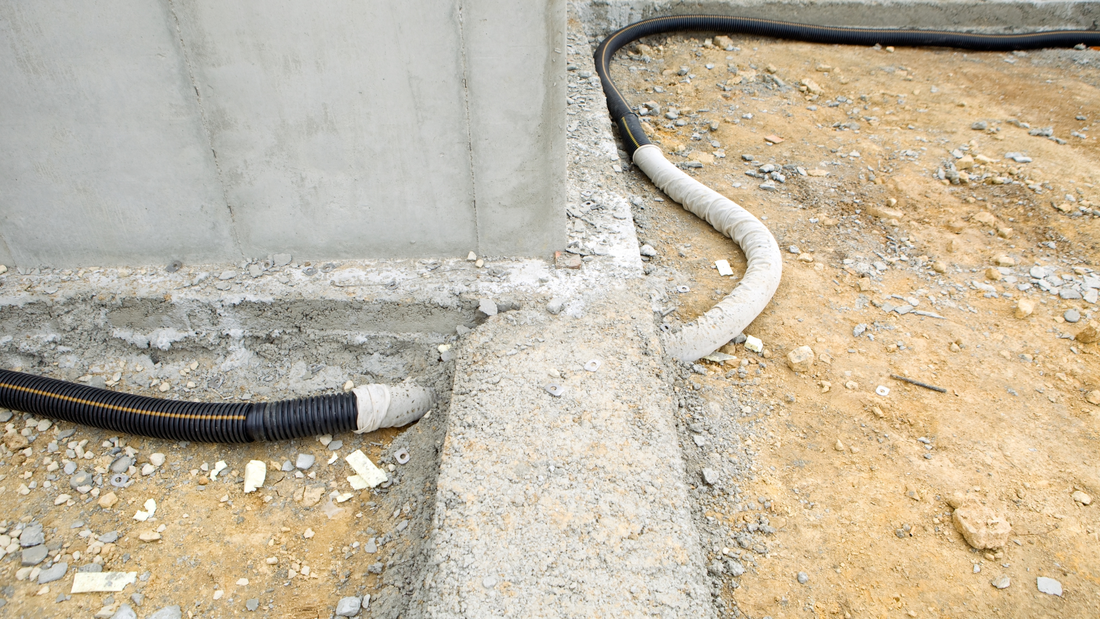
 Radon gas, often lurking silently in our homes, can pose significant health risks if not addressed promptly. In this comprehensive guide, we will explore the ins and outs of radon gas, its health implications, how to measure its levels, and most importantly, the steps to reduce radon exposure in your home. Understanding RadonWhat Is Radon Gas?To tackle a journey toward a safer home and healthier life, it's essential to grasp the fundamentals. Radon is an odorless, colorless, and tasteless radioactive gas originating from the natural decay of uranium in the soil and rocks beneath your home. Radon seeps through the ground and can infiltrate your home through cracks in the foundation, walls, floors, and even well water. The Health Risks Associated with Radon ExposureNow that we've identified radon let's move on to the more critical issue of health dangers. Continuous radon exposure has been connected with lung cancer, making it the second leading cause after smoking. Radon decays into radioactive particles that can be inhaled and trapped in the lungs, releasing energy and damaging lung tissue. This can eventually lead to the development of cancer. Smokers are at a higher risk of developing lung cancer due to radon exposure, but nonsmokers are not immune. As a result, all homes must assess and mitigate radon levels to protect their family's health. Measuring Radon LevelsTo protect your family's health from radon-related problems, you must first evaluate the radon levels in your home. Radon testing might help you with this. You have two primary options: short-term and long-term testing. Short-term testing usually lasts two to seven days and indicates radon levels. Long-term trials, however, are conducted over 90 days and provide a more realistic picture of your home's radon exposure. Radon testing kits can be purchased at local hardware stores and online sellers. These kits are simple to use and have detailed instructions for accurate outcomes. It's crucial to place the test kits in the lowest livable area of your home, such as the basement or ground floor, as these areas often have higher radon concentrations. Understanding Radon Reduction SystemsDon't be alarmed if your radon test results show high levels. You may take simple steps to lower your risk of radon exposure. Radon reduction systems, also known as radon mitigation systems, are designed to reduce radon levels in your house to a safe level. Sub-slab depressurization, sub-membrane depressurization, and active soil depressurization are the most common radon reduction systems. Hiring a Radon Mitigation Professional in Spokane, WAWhile radon reduction systems can be installed by homeowners with the right skills and knowledge, hiring a professional radon mitigation expert is highly recommended, especially in areas with known radon issues like Spokane, Washington. These professionals have the expertise and equipment to deliver successful radon reduction according to your home's needs. Their expertise can make all the difference in ensuring your home is safe from radon exposure. Radon Reduction: A Step-by-Step ProcessHere's a step-by-step guide on how a radon reduction system works:
Choosing the Right Radon Reduction SystemWhen selecting a radon reduction system, consider the following factors:
Cost: Request multiple quotes to compare pricing, but remember that the cheapest option may only sometimes be the most effective. Maintaining Your Radon Reduction SystemOnce your radon reduction system is in place, it's important to keep it well-maintained. Regular check-ups and maintenance are essential to ensure the system continues functioning effectively. It's advisable to have your system inspected at least every two years or more frequently if you notice any changes in radon levels. ConclusionRadon gas is a hidden threat that could be creeping into your home, posing severe health risks to you and your family. The first step in preserving your home and health is understanding what radon is, its health concerns, and how to measure its levels.
If you find high radon levels, it's important to take action. Hiring a professional radon mitigation expert in regions such as Spokane, WA, is highly recommended for the best radon reduction. A properly installed radon reduction system can make your home safer, especially by reducing the risk of lung cancer caused by radon exposure. Remember that your family's health and safety should always come first. Take the essential measures to reduce radon in your house and enjoy peace of mind, knowing you've taken action to protect your home and health from this silent but deadly threat.
0 Comments
|
|
|
|
